



Suitable species
Material choice by product, use and availability.
Material selection is defined from the first exchange: final product, dimensions, moisture, finish, packing and export destination. Tunibois directs each species toward the most relevant industrial use so the quotation is clear and production is controlled.
Material choice by product, use and availability.
Moisture and stability to confirm by destination.
Product applications, volumes and packing reviewed.
Material, dimensions and use are validated before industrial commitment.
An importer does not choose a species for its name, but for its ability to support a use, appearance, volume and packing method. Tunibois connects each material to the product families where it creates the most value.
Premium species for high perceived value products.
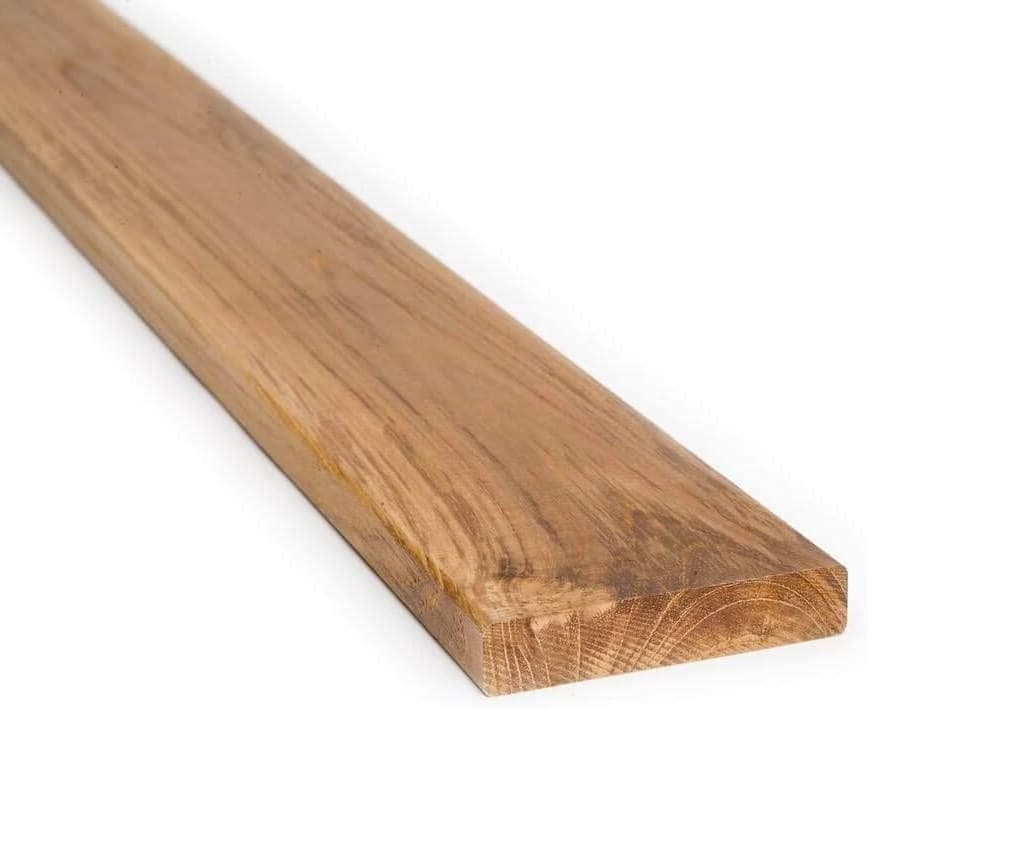
Olive wood is known for its contrasting grain, density and visual character. It is mainly suited to premium products, presentation items, decoration and ranges where natural appearance is part of the commercial value.
Consistent species for components, machining and technical products.
Beech is valued for its fine texture, consistency and ability to take precise machining. It is relevant for furniture components, turned parts, utensils, repeatable elements and wood products requiring homogeneous material.
Industrial resource to qualify by batch, drying and destination.
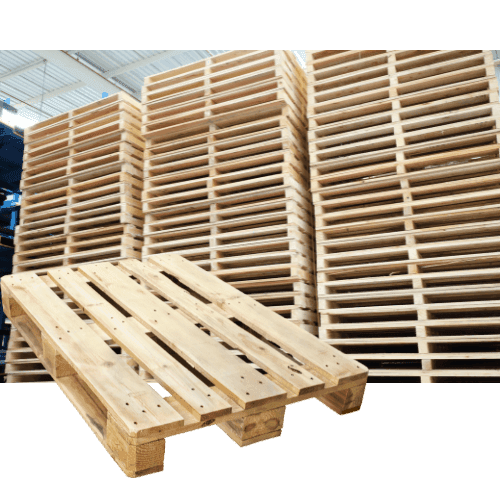
Eucalyptus can meet industrial uses when the material is properly qualified. It is relevant for pallets, packaging, secondary structural elements, panels or parts optimized to specification, with particular attention to drying and stability.
Mediterranean species for packaging, pallets and material recovery.
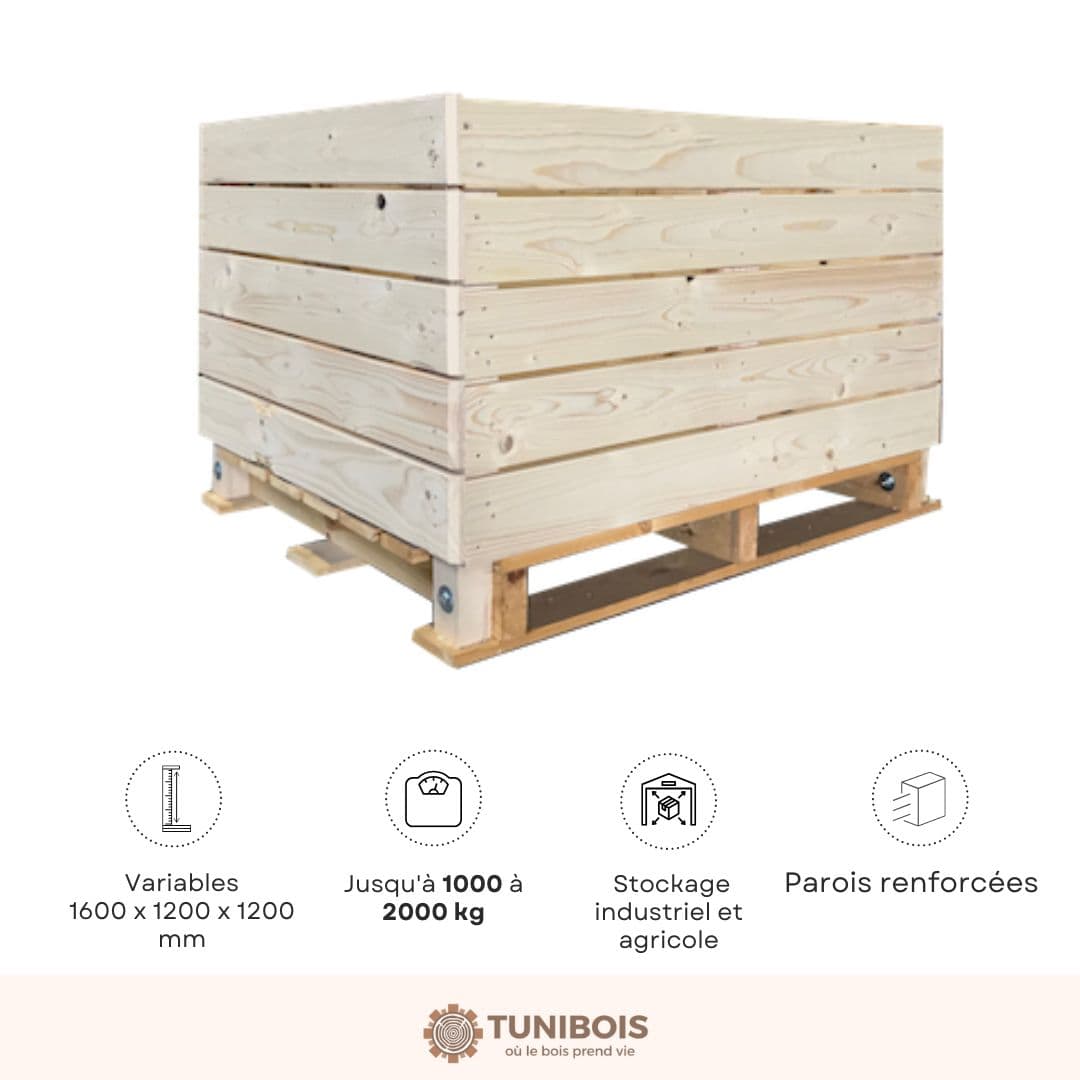
Aleppo pine is a Mediterranean species to review for packaging, pallets, crates, industrial elements and wood energy recovery. Qualification depends on batch, section, moisture, knots, use case and expected finish level.
The best species rarely depends on one criterion. Tunibois cross-checks use, transformation level, expected stability, budget, packing and destination.
Olive wood
Olea europaea
Best for
Premium products, decoration, tablewareWatch point
Availability, visual sorting, stability after dryingIndustrial use
Small and medium value-added seriesBeech wood
Fagus sylvatica
Best for
Consistent components, machining, turningWatch point
Moisture, stability, mostly interior useIndustrial use
Furniture, technical parts, utensilsWhite eucalyptus
Eucalyptus spp.
Best for
Pallets, packaging, industrial solutionsWatch point
Drying, distortion, checking and material sortingIndustrial use
B2B flows with technical specificationAleppo pine
Pinus halepensis
Best for
Packaging, dunnage, pallets, energyWatch point
Knots, loads, sections and finish levelIndustrial use
Cost-controlled products and material recoveryFor a usable quotation request, each species must be reviewed with its validation points: batch, moisture, stability, dimensions, tolerances and destination. This grid accelerates the dialogue with industrial buyers.
Olea europaea
Fagus sylvatica
Eucalyptus spp.
Pinus halepensis
Material choice starts from the final product. An importer is not only asking for wood: they need a board, pallet, component, packaging or finished item that works in their market.
Olive wood for visible items, gifts, trays, boards and decoration.
Beech for furniture components, turned parts, utensils and machined elements.
White eucalyptus and Aleppo pine to qualify by load, section, transport and destination.
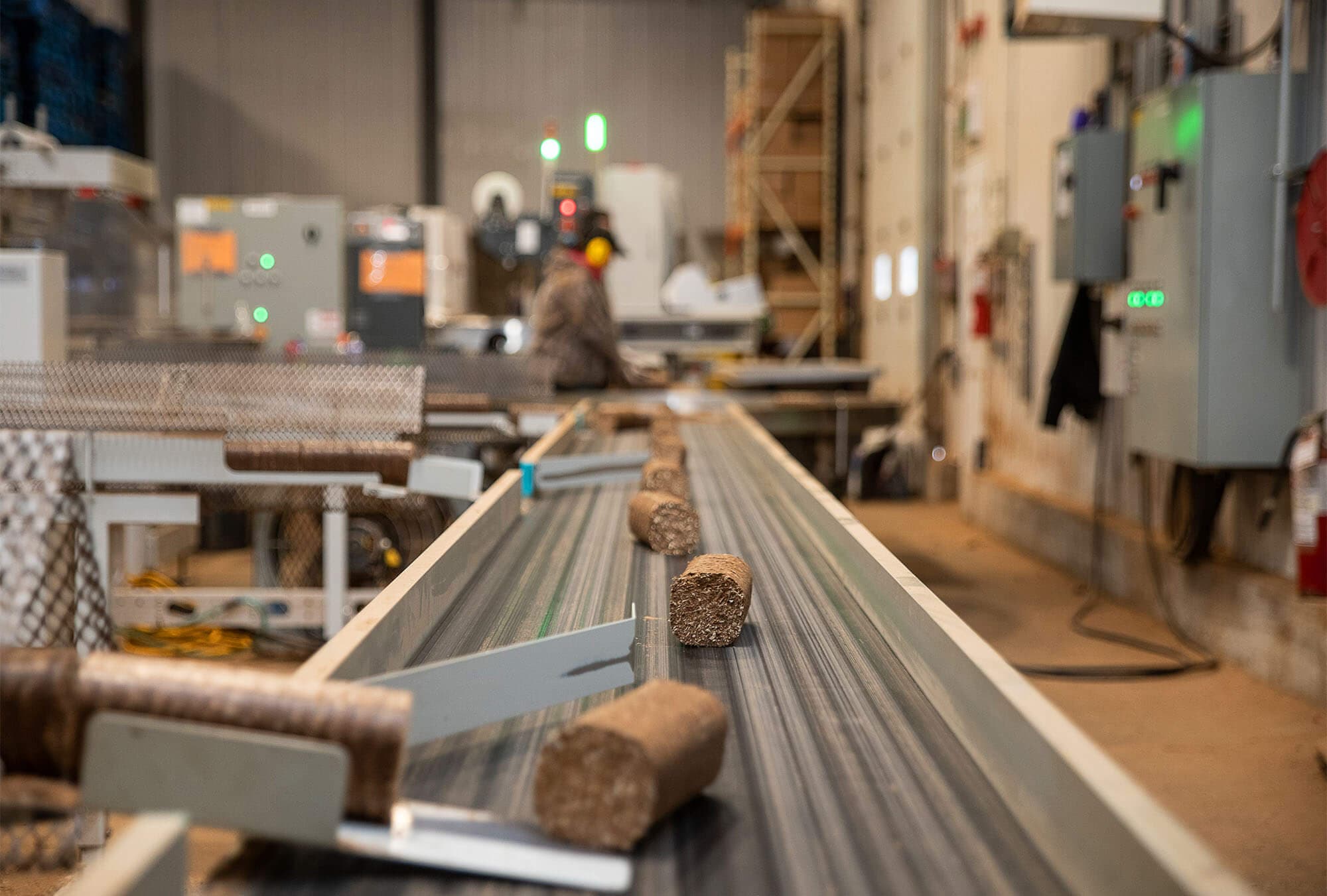
Available material, offcuts and formats adapted to pellets or briquettes by volume.
Tunibois can guide material choice when the enquiry includes the points that truly affect production, price, lead time, stability and export.
The displayed characteristics serve as reference points for preparing the technical exchange. Validation is always done by batch, dimensions, drying, volume and final use.
01
02
03
04
05
06
These questions help the buyer turn a vague material enquiry into a usable industrial request.
The choice depends on product, volume, destination country, expected moisture, packing and finish level. Tunibois can propose a species or alternative after reviewing the need.
Olive wood is mainly relevant for premium products and ranges where visual appearance justifies stricter material selection. Volumes must be confirmed according to availability.
Yes, beech is a serious basis for consistent components, turned parts, rails, uprights and machined elements, provided moisture, tolerances and final use are clearly defined.
Because its properties can vary by species, batch, drying and transformation constraints. Validation covers stability, checking, sections, use and destination.
It is mainly relevant for industrial uses, packaging, pallets, crates, dunnage and wood energy recovery when the specification accepts its natural characteristics.
Yes. The useful sheet depends on the requested product: dimensions, target moisture, tolerances, packing, application, destination and expected documents.
Send the requested product, dimensions, use, quantity and destination country. Tunibois helps frame the species, availability, packing and technical points to confirm.